The Advantages of Homeschooling
Ask anyone who loves homeschooling what the advantages are, and you’ll probably hear a long list of the benefits of educating children in the home. Homeschooling is a journey and an adventure, with benefits and rewards for the entire family. Come find out what these advantages are and decide if homeschooling is right for you.
Homeschooling: A Growing Option in American Education
Homeschooling: Back to the Future?
The Privacy Advantages of Homeschooling
This academic paper exposes the expansion of information gathering and dissemination via the United States public school system and facilitates parental choices on how best to educate their children if privacy issues are a concern. Privacy is fundamentally the omission of outside interference; therefore, in attempting to demonstrate the privacy advantages of homeschooling, this work, for the most part, proves a negative by comparatively cataloging how much privacy is denied, or potentially denied, when students attend public schools. It then compares and contrasts students’ legal requirements regarding the types of information students must provide to government educational institutions and the information public schools and homeschools must or may gather or release. Finally, it examines homeschooling’s legal foundations and regulatory issues. and postulates challenges facing the future of homeschooling’s privacy advantages.
Careful Study Finds Homeschool Advantage
Why Homeschool?
Canadian Study Confirms Advantages of Homeschooling
Exploring Single Black Mothers' Resistance Through Homeschooling
This work looks at contemporary Black homeschooling as a form of resistance among single Black mothers, exploring each mother's experience and perspective in deciding to homeschool and developing their practice. It faces the many issues that plague the education of Black children in America, including discipline disproportionality, frequent special education referrals, low expectations in the classroom, and the marginalization of Black parents. Most importantly, this work challenges stereotypical characterizations of who homeschools and why.
Advantages of Homeschooling a Special Needs Child
Nobel Prize Winners' Achievements Don't Prove School Is Good for Learners
The Case for Homeschooling
Homeschooling Benefits: Children less preoccupied with peer acceptance
The Top 20 Reasons to Homeschool
Homeschooling as a Mother's Right
Margaret is a homeschool veteran who explains why traditional schooling was never an option for her children. Margaret’s narrative documents the complexity of being a single Black mother and choosing to live in a low-income housing community, and not working full-time in order to fulfill her rights as a mother to do what she determined would be best for her children. Her account also demonstrates the role of faith, spirituality, and the complexity of building a curriculum to meet her children’s needs.
Hackschooling Makes Me Happy: Logan LaPlante at TEDx
Why do some people choose to homeschool their kids?
More and more American parents are choosing to educate their children at home. What accounts for this trend? Reasons include faith preferences, the individual approach to education, and a desire for a stronger family unit.
Resources
-
 The Homeschooling Advantage: Empowering Your Child’s Education Beyond the Classr...
 -
 The Four-Hour School Day: How You and Your Kids Can Thrive in the Homeschool Lif...
 -
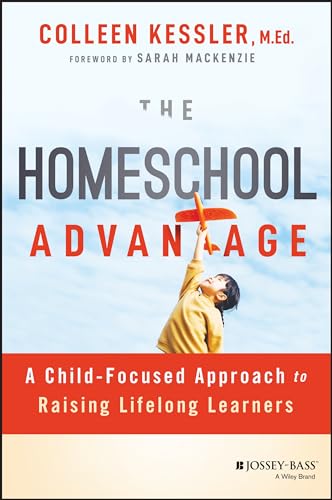
 The Homeschool Advantage: A Child-Focused Approach to Raising Lifelong Learners
 -
 The Advantages of Home Schooling
 -
 Science ~ Southwestern Advantage / Great American , Inc. (Southwestern Advantage...
 -
Home Field Advantage: A Guide to Choosing Teaching Methods for Your Homeschoolin...
-
 Homeschool Advantages: Spiritual, social and academic
 -
 Homeschooling. Homeschooling Guide. Homeschooling Comprehensive Guide Includes: ...






Featured Resources
-
 The Homeschooling Advantage: Empowering Your Child’s Education Beyond the Classr...
 -
The Four-Hour School Day: How You and Your Kids Can Thrive in the Homeschool Lif...
-
The Homeschool Advantage: A Child-Focused Approach to Raising Lifelong Learners
-
Homeschooling: You’re Doing It Right Just by Doing It
-
Science ~ Southwestern Advantage / Great American , Inc. (Southwestern Advantage...
-
The Advantages of Home Schooling


