Catholic website with ideas and activities for celebrating the faith in the home, including writings of the saints, articles, stories, family activities, and more.
When you've made the decision to homeschool, where do you start? This guide from Sonlight Curriculum explains the pros and cons of a home education lifestyle, offers free resources, and has a How to Start Homeschooling checklist to help you connect with other homeschooling families, create your homeschool vision, and choose curriculum.
There is a cognitive dissonance about public schools. Everyone knows public schools in the US are terrible, but everyone thinks their school is the exception. The reality is that your school would be the exception only if it teaches using project-based learning. Which it doesn’t. The public schools that are exceptional are exceptional at teaching to the test – a process that’s widely discredited. Give your kids more credit than that. Reformers say child-driven learning and project-based learning are best. Parents are the only educators in a position to do that. So all kids will get a better education at home.
Homeschool is school, but it's home, too--and housework will be with us always. How do you manage to keep up with household chores while homeschooling your children? Cynthia Townley Ewer, editor of OrganizedHome.com, explains how to lowering your standards, planning, and getting your children involved will help you reach your organizational goals. She suggests scheduling housework first, learning new time-saving methods, and getting needed support.
Did you know that the Federal Trade Commission issued an administrative complaint against homeschooling parents charging that they were engaging in "unfair competition" against the nation's public school systems by maintaining, in effect, a group boycott? Well, April Fools!
Homeschooling an only child can be quite challenging at times. This group is open to anyone for support, enrouragement and ideas for those who choose the home-schooling road for you and your child. Although they are based in NC, anyone can join for support. They have a database that you can access to see who is in your state to get together with.
 Homeschooling: You're Doing It Right Just by Doing It *
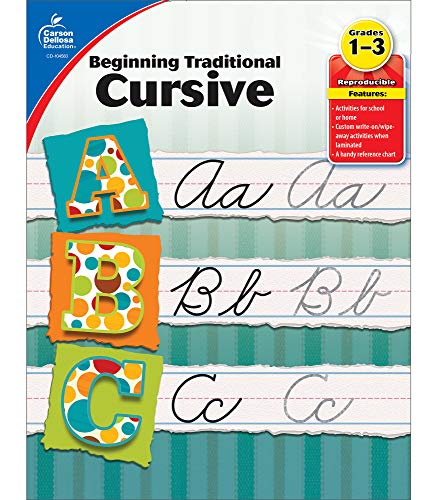
 Carson Dellosa Grades 1-3 Beginning Traditional Cursive Handwriting Workbook, Wr... *
 Human Body Activity Book for Kids: Hands-On Fun for Grades K-3 *
 Homeschooled: A Memoir *
 Raising Boys to Men: A Simple, Mercifully Short Book on Raising and Homeschoolin... *
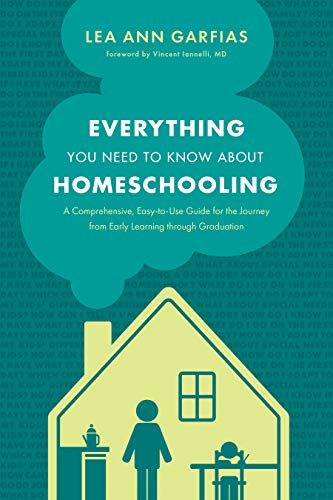
 Everything You Need to Know about Homeschooling: A Comprehensive, Easy-to-Use Gu... *
 Home Learning Year by Year, Revised and Updated: How to Design a Creative and Co... *
 The Homeschool Planner: Beautiful and Undated with Monthly Tabs | To Do List, Go... *
 Exploring Nature Activity Book for Kids: 50 Creative Projects to Spark Curiosity... *