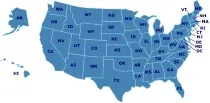
Local & State Resources
local and state resources…
What's Popular
Choosing Homeschool High School Electives Based on 16 Career Clusters
When deciding on a homeschool curriculum, taking into consideration first what the law says is required. After that, explore what colleges are look for, what preparation you will need for courses and testing, and what electives you'll then add on. Electives can help your student explore his/her passions and can bring joy to your homeschooling. Plus, college and universities are interested in what your child is interested in.
Homeschooling Pros and Cons
Homeschooling is becoming more popular every day, with a growth rate of 7 to 15 percent per year. There are about two million children currently learning at home. Homeschooled kids do well on standardized tests, are welcome at colleges and universities, and as adults, have a reputation for being self-directed learners and reliable employees. To help other parents who are considering homeschooling, here is a new list of pros and cons.
Catholic Rubber Stamps
Home Based Christian Single Parents
Your School Sucks
Family Learning Organization Testing Services
Unschooling Forum at vegsource.com
Blog, She Wrote: Embracing the Independent and Authentic Nature of Homeschooling
This extensive blog offers support for parents homeschooling through high school, with information on planning high school homeschool, creating electives, preparing for college, writing essays, teaching science, navigating college selection, and more!